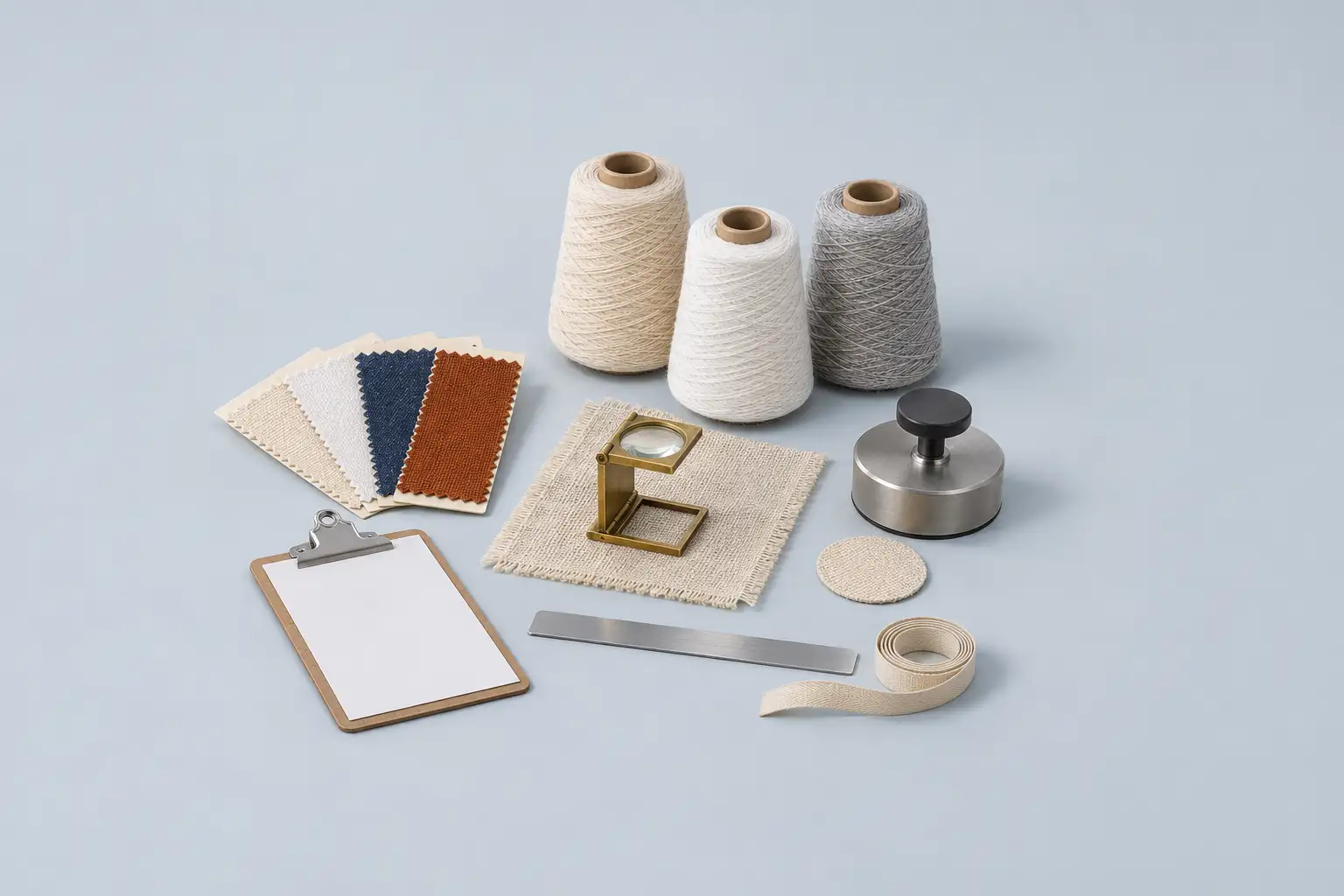
Swatch cards, yarn cones, a pick glass and a GSM cutter laid out on a table

How textile sourcing works with Zeplar

Zeplar brokers textile orders between international buyers and manufacturers in Asia. One technical team follows each order from the first spec to delivery.

From your spec to shipment

Every order follows the same six stages. The spec, the samples and the terms are settled before production starts, and the finished goods are checked before they are packed.

Read real orders
  1. Define

    Agree the spec, quantity and destination.

  2. Approve

    Review swatches or custom samples.

  3. Confirm

    Set the price, delivery and payment terms.

  4. Produce

    Check the order during production.

  5. Inspect

    Check the finished goods before packing.

  6. Dispatch

    Supervise delivery and arrange documents.

Before you order

When does a sourcing partner help?

Keep a mill relationship that works well for you. We help when you need another source, a different specialism or someone to coordinate production and inspection on the ground. We compare the mill’s equipment and experience with your construction, quality requirements and order volume.

What do you need for a quote?

Send the product, specification, quantity and destination port. A current spec sheet, test report or swatch gives us a basis for comparing like with like. Each product page lists the details for that material or finished item.

How quickly will I hear back?

Usually within 24 hours, and often sooner. Muhammad Shakil answers enquiries himself.

Why might two quotes differ?

Raw material, quality control and manufacturing setup can affect a quote. We explain those differences so you can judge whether a higher price reflects something your order needs.

Samples, quantities and terms

How are samples arranged?

Some samples are free, with dispatch paid by the buyer; others have a making charge. We confirm the cost before sending.

Can I start with a smaller order?

One full container is preferred, but smaller orders and mixed loads are possible. We have handled orders as small as 25 kg; the practical quantity depends on the product and mill.

How are delivery and payment terms agreed?

We quote FOB, CFR or CIF per order and work with L/C, TT or deposit terms. If you are unsure about delivery terms, say so in your enquiry and we will discuss them with you.

Quality and paperwork

Who checks the order?

Our staff and third parties carry out inspections. Agree measurable quality requirements, test methods and inspection terms before production. The party requesting a third-party inspection pays its cost.

What happens if production goes off plan?

We explain the issue and the available options early so you can adjust your plans. The real orders below show how we have handled shade variation, scheduling delays and a difficult fabric specification.

What documentation can you arrange?

Test reports, inspection reports and certificates of origin are available. Through our mills, we can arrange OEKO-TEX Standard 100, GOTS, GRS, OCS and BCI Cotton supply, depending on the product. For factory audits, we can look for mills audited under BSCI, SMETA, WRAP or SA8000. We confirm the certificate or audit for the specific mill and order before you commit.

From real orders

Customer names are left out. Everything else happened.

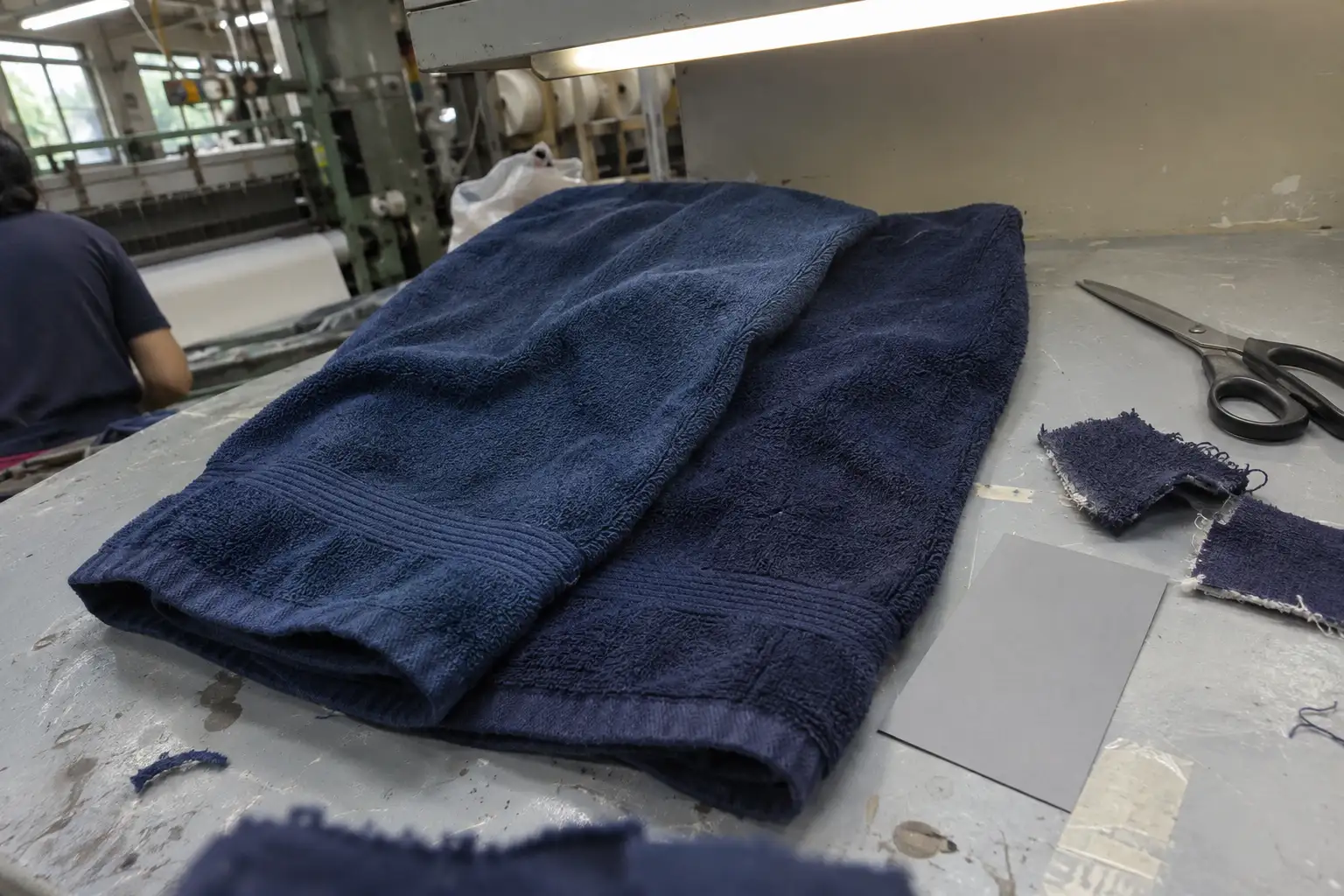
Two navy towels overlapping on a lab table under a light box, one slightly lighter than the other

The towel lots that didn’t match

During a pre-shipment inspection of dyed hospitality towels, we noticed a shade difference between two production lots. The mill initially considered the variation acceptable, but we knew the buyer needed consistent colours across its hotel inventory. We separated the affected lots and worked with the mill to identify the cause, which was inconsistent dyeing conditions between batches. Reprocessing risked further variation, so we arranged replacement production for the affected quantity at the mill’s expense and checked the new batch against the approved shade standard before packing. It pushed the shipment back by a few days, but the buyer received a consistent product without having to deal with rejected goods at the destination.
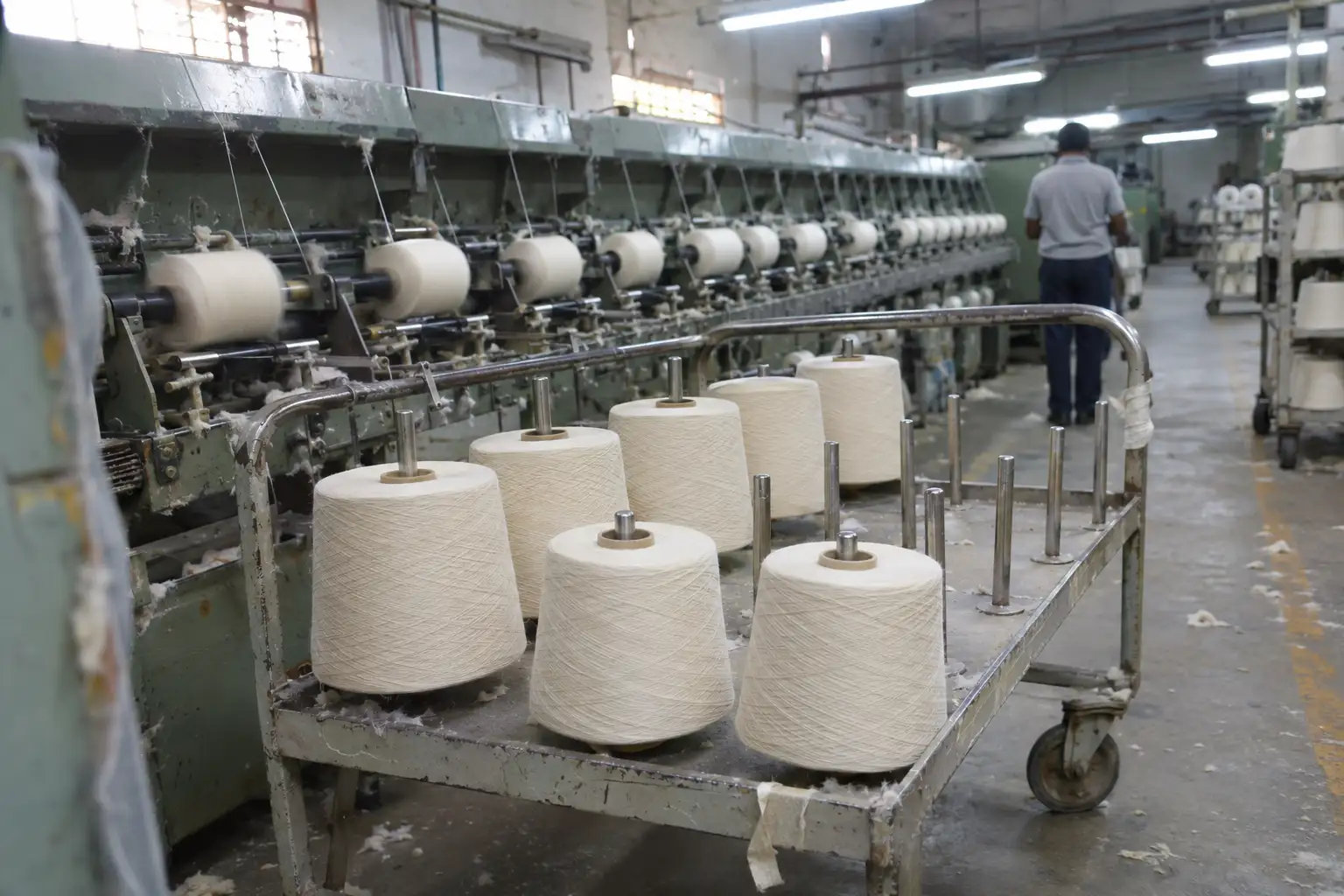
A trolley of freshly wound yarn cones beside a winding machine

The yarn that was going to start late

We were working on a cotton yarn order for a knitting customer whose garment production was scheduled around the yarn’s arrival. When we checked the manufacturer’s production schedule, an earlier customer’s production had been extended, so our yarn was going to start later than planned. We went through the plan with the mill, worked out what could realistically be completed in the time, and looked at whether another suitable line could take part of the order. We told the buyer about the risk, explained the options and agreed a revised production and dispatch schedule. The buyer still had to adjust their planning, but they had time to do it.

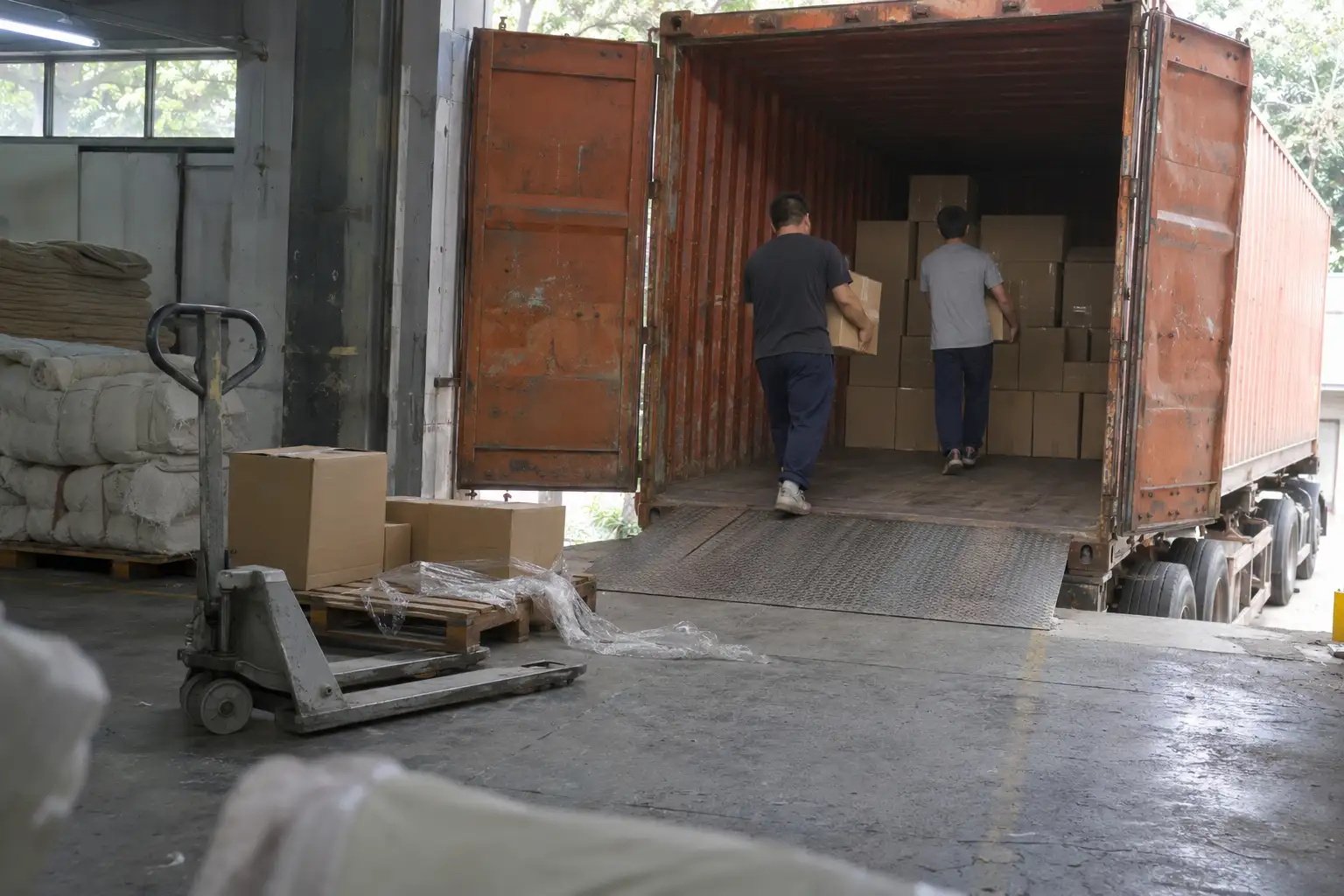
Two workers carrying cartons into a container at a warehouse dock

From one trial container to recurring shipments

A knitted-fabric manufacturer with established suppliers was understandably hesitant to commit significant volumes to a new sourcing partner. We suggested starting with one container of 30/1 combed cotton yarn, so they could evaluate our supply chain under normal production conditions. Before confirming, we aligned on technical requirements, testing, packing and shipment expectations. After delivery, the buyer ran the yarn on their knitting machines, was satisfied with the results and placed another order. Over the next few months, one trial container became recurring shipments covering additional yarn counts.

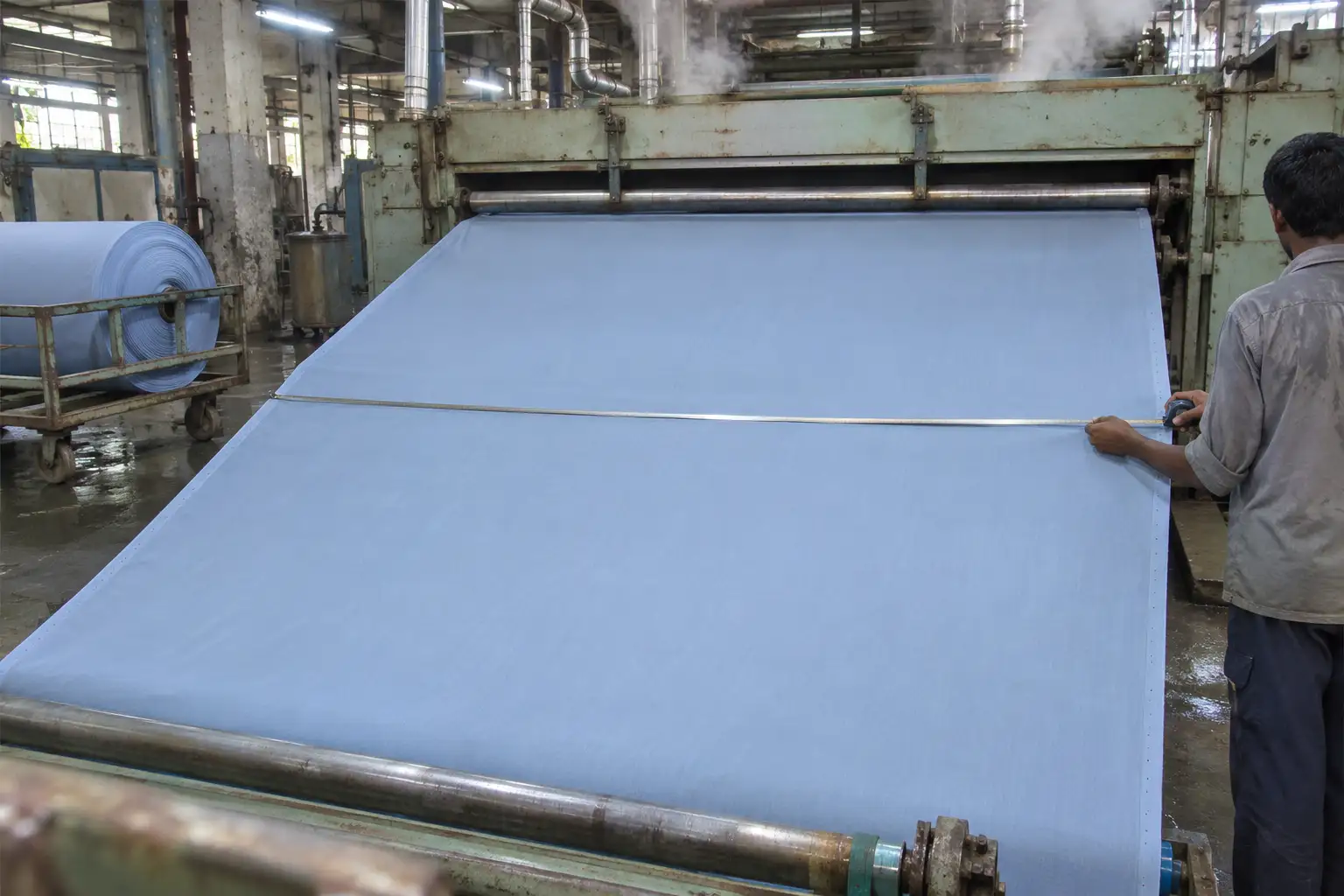
A worker measuring the width of pale blue fabric coming off a finishing machine

A spec that sounded straightforward

A buyer needed dyed polyester-cotton fabric in a 52/48 blend, 280 cm finished width and TC-144 construction. Plenty of mills can weave polyester-cotton. The challenge was finding one that could deliver the exact blend, hold the finished width after processing, and dye consistently across a commercial run. Several manufacturers we approached lacked suitable wide-width finishing equipment or couldn’t confidently meet the tolerances. We identified a mill with the right weaving and finishing capabilities, arranged a sample, had the buyer approve the construction and shade, and confirmed the technical specifications before production. The mill completed the order, the final inspection was satisfactory, and the fabric shipped to the agreed requirements.

Request a quote

Or WhatsApp: +92 321 8435106

All four fields are required. We use these details only to reply to your enquiry. Privacy policy