

How textile sourcing has changed in five years
By Muhammad Shakil, Founder & CEO ·
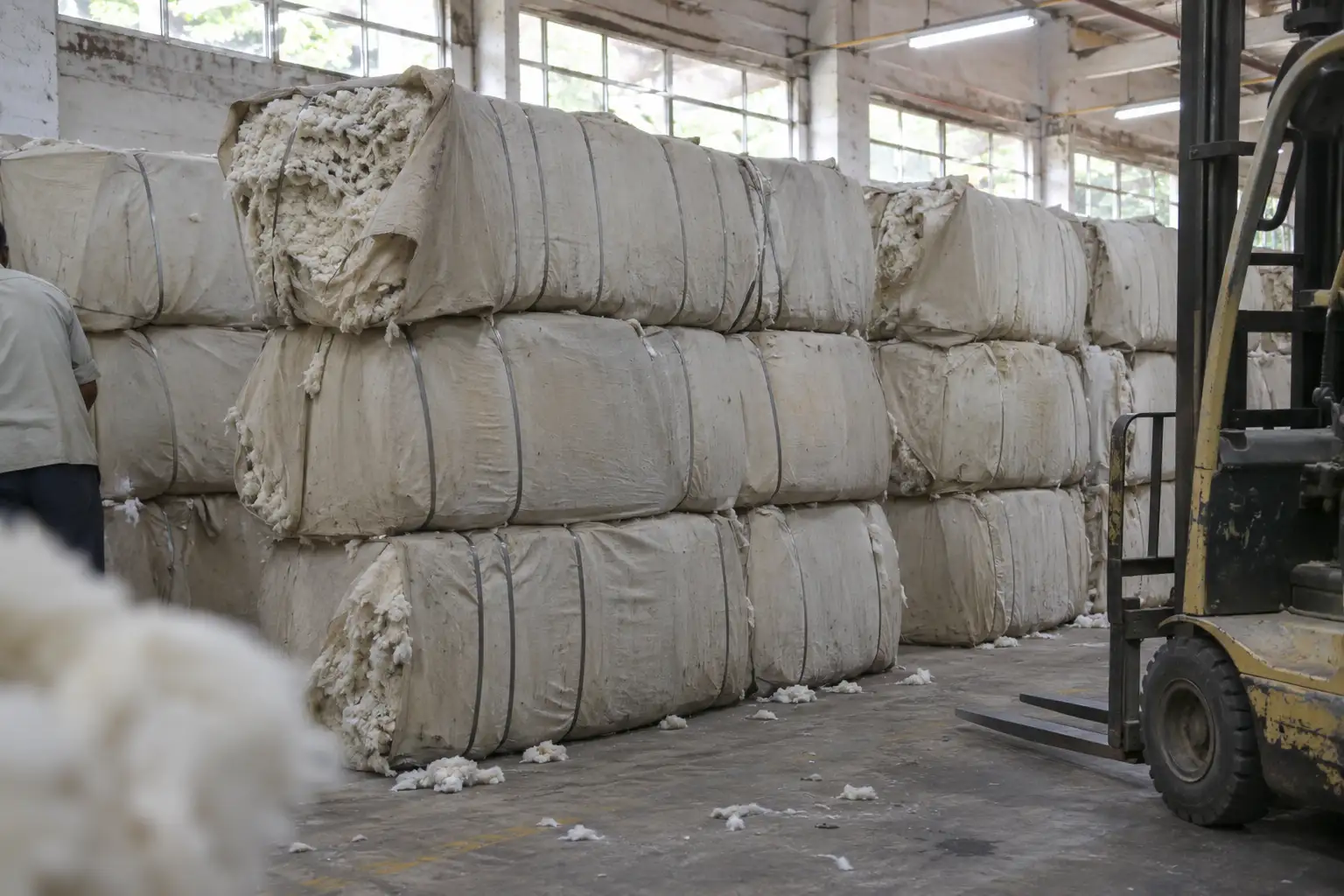
The biggest change is that textile sourcing has become much less forgiving. Five years ago buyers already negotiated hard on price. Today they also look closely at reliability, traceability, compliance and consistent quality, while mills face pressure from the other direction.
Which costs have changed most for mills since 2020?
In Pakistan, energy is the clearest example. Spinning, weaving, dyeing and finishing all depend on it. The gas tariff for captive power plants rose from about PKR 3,000 to PKR 3,500 per MMBtu from February 2025, roughly 16.7%, before additional levies.
Raw material is the second factor. Cotton prices move with the local crop, international prices and the exchange rate, and the calculation changes when mills rely more on imported cotton. Financing matters because mills need working capital to buy cotton and carry stock before they are paid. Freight is the fourth, and buyers watch it more closely since the disruption during and after the pandemic.
A mill may be just as capable of making a product as it was five years ago and have very different production economics, so an old price is a poor benchmark.
How long does a yarn quotation stay valid now?
In stable periods five years ago, a mill might hold a quotation for two or three weeks. In volatile conditions three to seven days is not unusual, and sometimes the price is subject to reconfirmation at the time of order.
It depends on the yarn, raw material, capacity and the market. A mill with cotton in stock and free spinning capacity can offer longer validity. When cotton or the exchange rate is moving quickly, it won’t. Settle your specification and internal approvals before asking for the final quotation. Otherwise you can spend two weeks negotiating a price the mill can no longer hold.
What documentation do buyers ask for now?
More buyers want to know how and where goods were made as well as what they are. Depending on the product, that can mean the following.
- OEKO-TEX STANDARD 100 for tested textiles.
- GOTS for organic cotton products, with valid chain-of-custody arrangements.
- GRS for recycled textiles, with the relevant transaction documents.
- ISO 9001 for a manufacturer’s quality management system.
- SMETA audit reports, chemical-management information or traceability records for large retailers.
These are not interchangeable. ISO 9001 doesn’t mean a mill’s towels meet a buyer’s test requirements, and SMETA is an audit method, not a product certificate. A mill can offer an excellent product at a good price and still be unsuitable if the required documentation isn’t available, so check before production begins.
How have order sizes and ordering patterns changed?
Qualifying a new manufacturer with a manageable first order makes commercial sense. For us that often means one container as a trial, not a transfer of a large annual volume. The buyer sees the goods under real production conditions, reviews the shipping documents and learns how the supplier communicates. If the first order goes well, repeat business is an easier decision.
Buyers also want more flexibility. A customer with three yarn counts to buy may not have the demand to fill three containers, which leads to mixed loads or coordinated purchases across mills. Mixed containers need care, because the products may have different schedules, packing and inspection. A mixed shipment is worth it only if it solves a real problem without adding complexity.
Which countries suit which textile products?
No single country is best for every product.
- Pakistan: cotton yarn, cotton fabrics, home textiles, towels and bedding.
- China: polyester, synthetic yarns and fabrics, specialised materials and large-scale manufacturing.
- India: cotton yarn, woven fabrics and home textiles.
- Indonesia, Thailand and Vietnam: useful alternatives depending on the fibre, construction, processing and finished product.
Country choice should also take in freight, import duties, origin rules, compliance documents and delivery. I would never recommend changing country because one market currently looks cheaper.
Why do buyers add a second source?
A buyer supplying fabric for institutional bedding relied on one manufacturer. Quality was generally fine, but a delayed production schedule caused trouble with the buyer’s own customers. The buyer didn’t want to drop the supplier. It wanted an alternative.
The fabric was a dyed polyester-cotton weave in a 52/48 blend with wide-width finishing. We found a second manufacturer with the right weaving and finishing, arranged sampling and compared the results with the approved specification. The first order was kept small so the buyer could judge consistency without disturbing its existing supply. After the trial the second mill was approved, and future orders could be split by capacity, terms and delivery.
The buyer did this to stop one production schedule affecting its whole supply chain.
What has Zeplar changed because of this?
Finding a manufacturer is only the first step. We establish the specification first and then look for factories whose capability fits it, across countries where that is appropriate. We are stricter about samples, testing, production commitments and shipment arrangements.
When a mill can’t meet a requirement competitively, we find out why before looking elsewhere. It may lack equipment, experience, free capacity or a certificate, and each of those calls for a different decision. Buyers increasingly want additional sources qualified before they urgently need them.