

The most common mistake in a first textile enquiry
By Muhammad Shakil, Founder & CEO ·
The most common mistake is asking for a price without giving enough information to quote accurately.
Someone writes: “We need 100% cotton yarn, 30/1. What’s your best price?” Is it carded, combed or compact? For knitting or weaving? What quality level, what quantity, delivered where? Two mills can quote very different prices for what looks like the same yarn because they are quoting different quality levels.
What does a good first enquiry look like?
It doesn’t need to be long. It needs to answer the questions a manufacturer would otherwise have to ask. A good yarn enquiry reads like this:
“Please quote 100% cotton, Ne 30/1, combed ring-spun yarn for knitting. Initial requirement approximately 16 tonnes, packed on cones. Please quote FOB Karachi, with production availability and quotation validity. We require the technical report for count, CVm, imperfections, strength, elongation and hairiness. We can provide our approved reference report and would like a sample for knitting trials.”
And a good fabric enquiry:
“We require 100% cotton, bleached, plain-weave fabric, approximately 175 to 185 GSM, 160 cm finished width, with an initial target quantity of 38,000 metres. The proposed construction is Ne 16/1 × Ne 16/1, 60 × 60, subject to sample confirmation. Please advise achievable finished specifications, shrinkage, whiteness consistency, roll packing, minimum quantity, FOB pricing and production availability. We can provide a physical swatch.”
With either one we can pick the right type of mill and ask for comparable quotations without guessing.
How far apart can two quotes be for the same description?
Take two quotations for the same cotton yarn at $3.02 and $3.14 per kilogram. The gap is about 4%, or $1,920 on 16 tonnes, and testing showed the two mills were offering different levels of consistency.
With a looser enquiry a spread of 10% or more is entirely possible, because mills may be quoting different cotton, spinning systems, performance levels or delivery terms. An offer at $2.95 against one at $3.30 is nearly 12% apart, and without identical specifications and trade terms that figure tells you very little.
I normalise quotations first: same specification, same quantity, same packing, same shipment basis and comparable testing. Only then is there a real discussion about value.
Which details are most often missing?
- In yarn enquiries: the exact yarn type, the end use, the quality parameters, the quantity and the delivery basis.
- In fabric enquiries: the construction, the finished width, the GSM, the processing required and the quantity.
“We need 100% cotton white fabric” could be greige or bleached, woven or knitted, for bedding or for garments. Each answer points to a different manufacturer. I would rather spend fifteen more minutes understanding the requirement than three days collecting quotes for the wrong product.
What if you don’t know the technical specification?
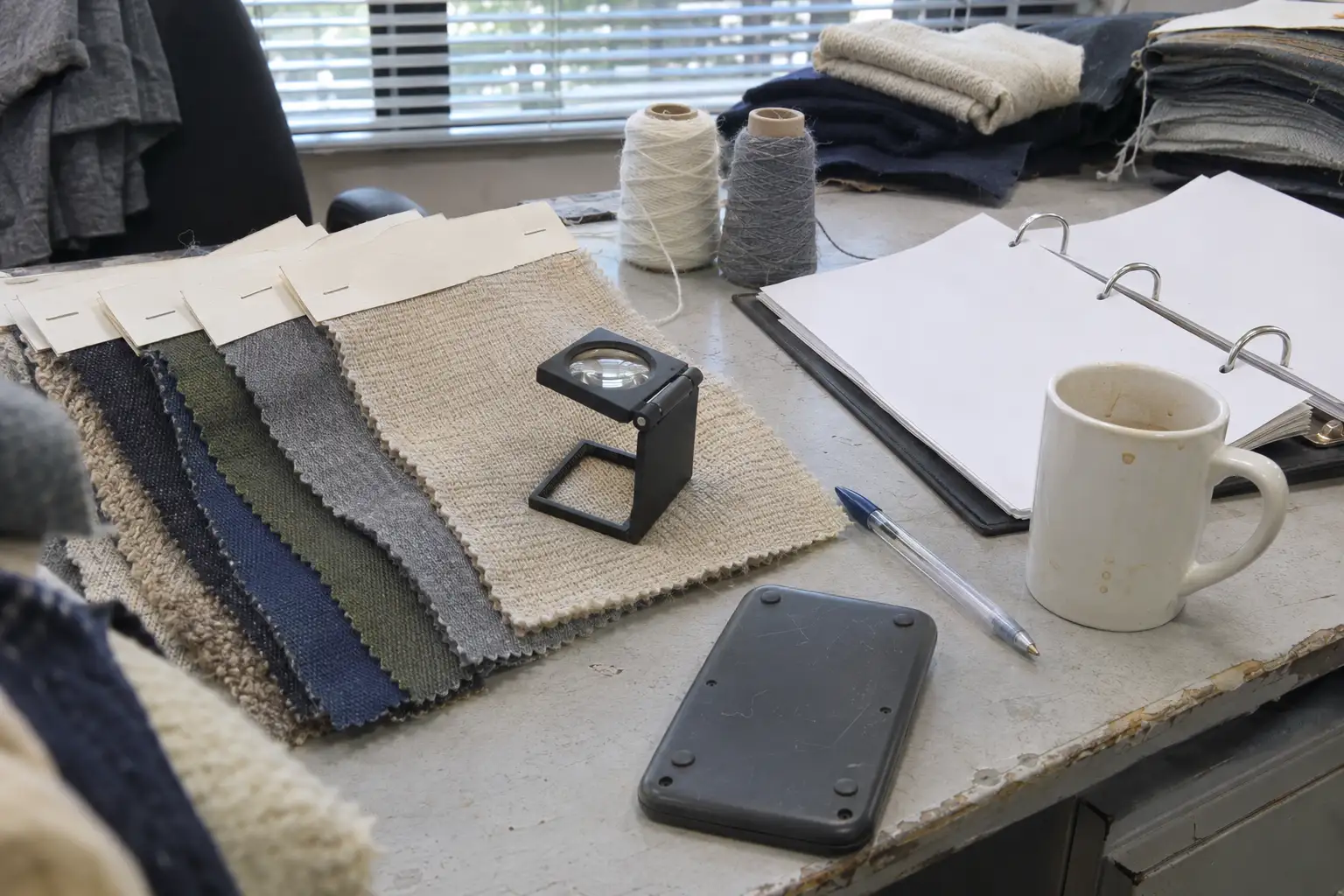
Send what you have. A physical swatch is often the best start for fabric. A current supplier’s test report is better still. A photo of the product label, an existing sample or a clear description of the use all help.
One buyer asked for “white cotton fabric below 200 GSM”. After a swatch and a conversation about the application, the requirement became bleached 100% cotton plain weave, about 175 to 185 GSM, 160 cm finished width, with stated dimensional stability. You don’t need every technical term before contacting us. Turning the intended use into a specification mills can work with is part of the job.
What happens after an enquiry reaches Zeplar?
First we make sure the requirement is complete, asking about composition, construction, dimensions, quality, end use, quantity and destination where anything is unclear. Then we identify manufacturers whose capability matches. For a straightforward product two or three suitable mills may be enough. For a specialised fabric we may approach four or five.
We compare more than price: specification, available capacity, minimum quantity, testing, schedule, packing and terms. We also check whether a mill is quoting the exact requirement or a technically different alternative. If samples are needed we arrange them before any major commitment. We don’t forward every quotation we receive.
Which three questions do serious buyers ask after price?
- Can you keep the quality consistent? That starts with the written specification: agreed parameters, approved samples, production testing and inspection.
- Can the supplier keep delivering? I would rather check production availability before accepting an order than make a delivery promise we can’t keep.
- What happens if something goes wrong? Buyers want to know who will investigate a shade variation, a count problem or a delay, and what will be done.
Price starts the conversation. These three questions decide whether there is a second order.
Can a vague enquiry still become a regular order?
One enquiry was a few lines long: bleached cotton fabric under 200 GSM, with no construction, width, test report or clear quantity. We couldn’t compare mills on that.
After several questions and a physical sample, we agreed a working specification and approached three manufacturers. One was competitive but couldn’t confidently hold the finished width after processing. Another could make the fabric but had a high minimum. The third had a suitable setup, so we arranged sampling and went ahead with a first order of about 38,000 metres, checked against the approved reference before dispatch.
The buyer came back for another order and later raised further fabric requirements. Not every unclear enquiry ends that way, but a buyer who doesn’t yet know the full specification can still become a strong customer once the requirement is properly developed.